0
0



- Home
- Blog
- Materials Technology
- Key Factors in Optical Cable Structural Design: Starting from Application Environments
Key Factors in Optical Cable Structural Design: Starting from Application Environments
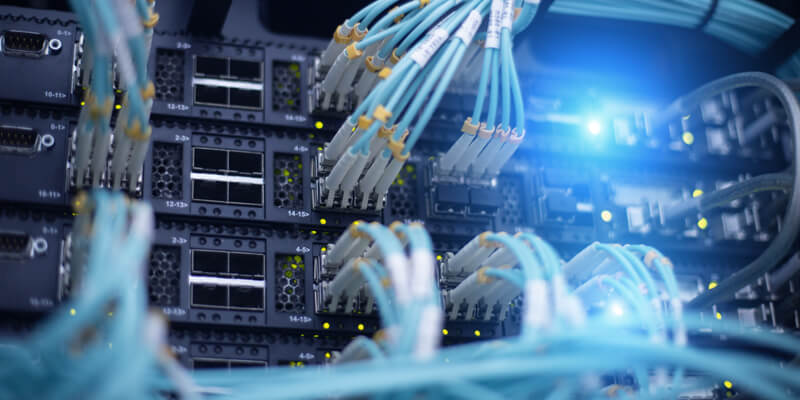
In fiber optic communication systems, optical cables are not just media for signal transmission; they also influence overall transmission stability, construction convenience, and long-term service life. With the rapid development of telecommunication networks, data centers, and industrial automation applications, optical cable structural design is no longer a one-size-fits-all application but a highly customized engineering integration. Different application environments have varying requirements for the structure, materials, and performance of optical cables. Only by starting from actual usage scenarios can optical cable products be designed to meet specific needs.
Indoor Optical Cable Design: Balancing Safety and Construction Efficiency
Indoor optical cables are mostly used inside buildings and data center environments, where the design focus lies in flame retardancy and Low Smoke Zero Halogen (LSZH) performance. At the same time, the cables must possess good flexibility and an appropriate bending radius to facilitate installation within conduits. Although indoor cables are usually not exposed to extreme environments, the requirements for safety and construction efficiency are very high; therefore, material selection and structural design must be precise to ensure the cables remain stable during installation and use.
【 Further Reading】 : How Optical Cable Materials Affect Transmission Stability and Service Life?
Outdoor Optical Cable Design: Weather Resistance and Stability
Outdoor optical cables are exposed to natural environments for long periods and must withstand the effects of wind, rain, ultraviolet rays, and temperature variations. Design considerations must specifically include weather resistance, water resistance, and tensile strength, usually incorporating filling materials and tensile elements to ensure the fibers remain stable during long-distance laying and long-term use. Good outdoor optical cable design not only protects the fibers from external damage but also extends product service life and enhances transmission reliability.
Underground and Special Environment Cables: Durability and Customization Needs
Underground or conduit optical cables face external pressure and long-term environmental challenges; thus, structural design must emphasize crush resistance, abrasion resistance, and long-term material stability to reduce the risk of fiber damage. For optical cables in industrial sites or extreme climates, designs must be highly customized, taking into account special conditions such as high temperatures, low temperatures, or high mechanical strength. These types of cables are usually paired with modified materials and sophisticated structural designs to meet rigorous environmental demands.
Core Elements of Optical Cable Structural Design
Optical cable structural design is an integrated engineering feat that combines material science, manufacturing technology, and application requirements. Only by deeply understanding the actual usage environment and through the precise configuration of materials and structures can optical cable products be created that possess stability, safety, and long-term reliability. As optical communication applications continue to expand, optical cable solutions with material R&D and structural integration capabilities will become a key factor in industrial competitiveness.